

Ankylosing Spondylitis: Understanding the Condition and Its Long-Term Effects

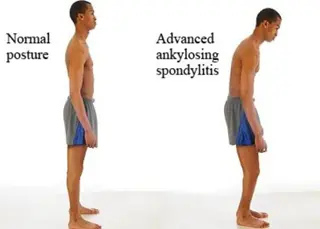
Ankylosing Spondylitis (AS) is a bit of a nasty chronic condition that mainly attacks your spine and can, over time, really start to limit your flexibility and your posture. If you don't get it sorted out early on, it can lead to some serious long-term stiffness and reduced mobility.
AS usually starts showing up in young people in their early adult years, and it requires some pretty regular medical care to stop complications from setting in.
At the Center for Sports Injury Hospital (CSI), our team of experts—headed up by Dr. Pushpinder Singh Bajaj, the founder of CSI Hospital—really gets to grips with what's going on with patients who are struggling with ankylosing spondylitis, using a pretty comprehensive and structured approach.
Key Features of Ankylosing Spondylitis
Ankylosing spondylitis has some pretty definitive features that help us tell it apart from more run-of-the-mill back pain, including:
- An inflammatory back pain that starts to develop gradually, and feels a bit better when you start moving around rather than resting
- Morning stiffness, especially in your lower back and hips, which can stick around for several hours
- Sacroiliac joint involvement, which can make your backside feel pretty sore
- Progressive spinal stiffness, which can start to get in the way of your flexibility over time
- Fusion of your vertebrae, which can ultimately result in a pretty stiff and rigid spine
- Involvement of other joints, like your hips, shoulders, or knees
- Inflammation at the sites where tendons and ligaments attach to your bones (enthesitis), which is commonly a problem in the heels
All these features really highlight how progressive AS can be—and how important it is to get a diagnosis and some proper treatment sorted out early on.
Early Warning Signs and Symptoms of Ankylosing Spondylitis
One of the first symptoms that people often notice when they've got AS is a bit of stiffness and discomfort in their lower back - especially when they're getting up in the morning or after a long rest. A lot of the time, they find that things start to feel a bit better once they get moving or start exercising. Of course, some people find that pain can really disrupt their sleep, especially at the crack of dawn.
As the disease begins to take hold, stiffness can start to spread to the hips and neck, and people may notice a change in their posture.
How Ankylosing Spondylitis Affects the Body in the Long Term
AS isn't just limited to the spine - over time, the inflammation can start to affect all sorts of other joints, leading to pain and reduced movement. If people end up not doing much because of the pain, they may start to find that they get a bit weaker, a bit more tired, and a bit less physically able.
Some people can also experience other problems, including eye inflammation, digestive issues, and skin conditions like psoriasis.
In really rare cases, the heart or lungs may be affected too.
What Happens to the Spine with Ankylosing Spondylitis
The chronic inflammation in AS can eventually trigger this weird bony growth along your spine - and when the vertebrae fuse, it can make your spine get a lot stiffer and less flexible. It's often referred to as a "bamboo spine" because it looks a bit like bamboo.
The problem is that this increased stiffness does make you a lot more prone to spinal fractures, even if you only bump yourself a bit. Detecting fractures can be pretty tricky - you may need to have a CT scan or an MRI to actually spot the problem.
Understanding Pain in Ankylosing Spondylitis

For people with AS, pain is usually at its worst during the active inflammatory phase of the condition. As the fusion progresses, the pain can actually start to get a bit less - but the thing to remember is that if you do start to feel a new or sudden pain after a period of stability, you shouldn't just ignore it - you should get it checked out because it may be a sign of a fracture or some other problem with your spine.
Special Considerations in Advanced AS
As advanced ankylosing spondylitis starts to affect your freedom of movement in the neck area and your ability to take deep breaths due to a reduced chest expansion, this can be a real concern during all sorts of medical emergencies, surgeries, or when under anesthesia.
Making sure that you communicate effectively with your healthcare team is going to be super important to ensure that they handle you with care and give you the right treatment.
Comprehensive Care at the Center for Sports Injury Hospital
There's no one-size-fits-all approach when it comes to managing ankylosing spondylitis— what you need is a personalized and multidisciplinary treatment plan that includes medication, physio, posture advice, lifestyle guidance, and even surgery if it's necessary.
At the Center for Sports Injury Hospital, patients get top-notch care from the expert hands of Dr. Pushpinder Singh Bajaj, the founder of CSI Hospital, and we focus on making sure that our patients have the best possible mobility, can stay safe, and have a good quality of life for the long haul.
Conclusion
Ankylosing Spondylitis is one of those conditions that you've got for life - but the good news is that with early diagnosis and the right care, you can really slow down how it progresses. If you get on it early and stay on top of it with regular check-ups, you can keep on doing all the things you love without it holding you back.
For the expert evaluation and care that we offer at the Center for Sports Injury Hospital, our team of experienced orthopedic and spine specialists is right here to help.
Schedule a consultation with Center for Sports Injury Hospital, the best hip replacement
surgeon in Delhi, and discover how MIS hip replacement for ankylosing spondylitis can restore your movement.