

Shooter’s Shoulder Strain: Managing Repetitive Stress Injuries
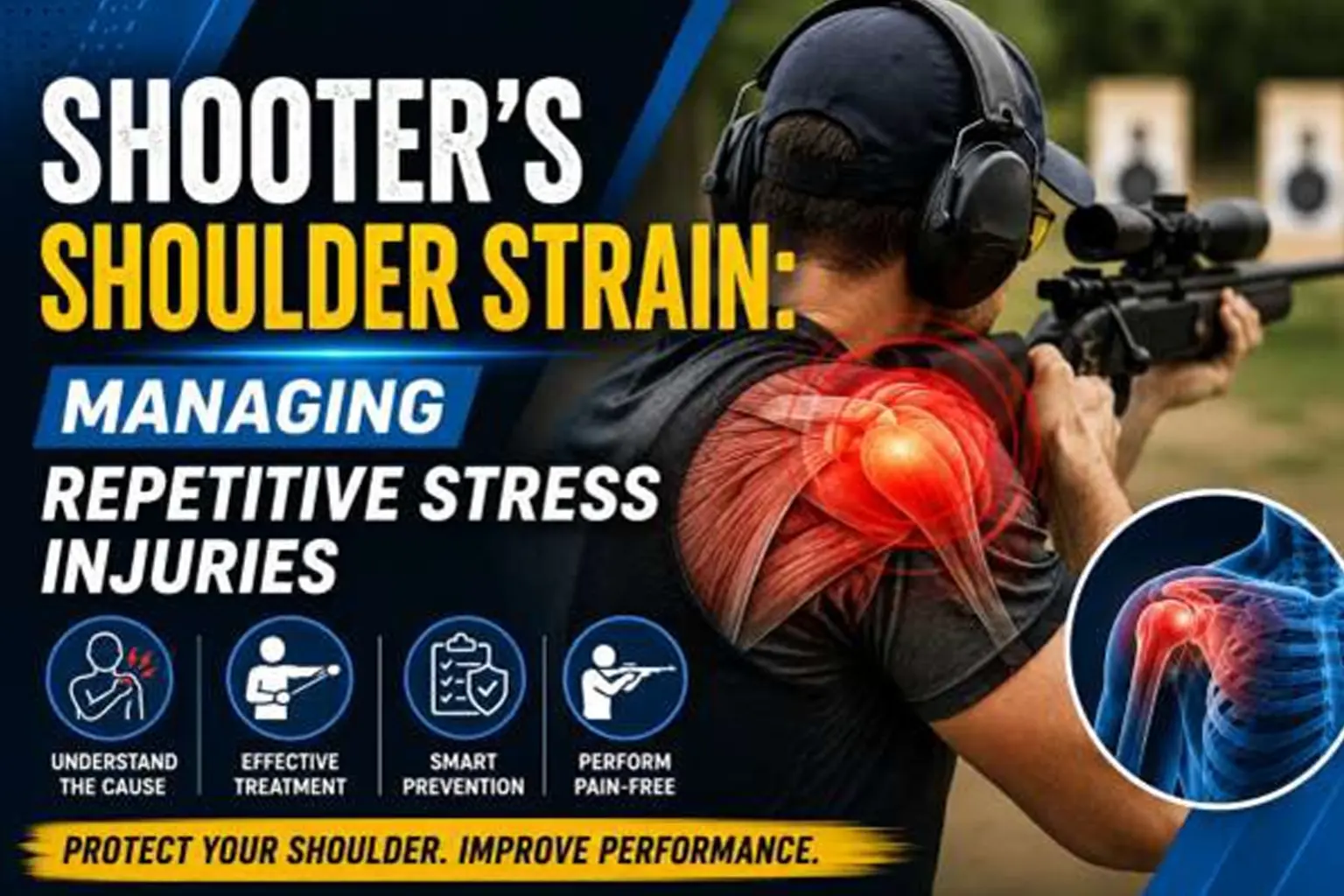
Competitive shooting and recreational firearm training demand exceptional upper body control, stability, and endurance. However, repetitive recoil forces and prolonged shooting postures can place excessive stress on the shoulder joint, leading to a condition commonly referred to as "shooter's shoulder strain."
At the Center for Sports Injury (CSI), athletes and professionals receive evidence-based care for overuse shoulder injuries under the guidance of Dr. Pushpinder Singh Bajaj, who emphasizes early diagnosis, targeted rehabilitation, and long-term injury prevention.
What is Shooter’s Shoulder Strain?
Shooter’s shoulder strain is an overuse injury caused by repetitive mechanical stress on the shoulder muscles, tendons, and stabilizing structures during shooting activities. Repeated recoil absorption, poor shooting mechanics, and inadequate conditioning can gradually lead to inflammation, muscle imbalance, and pain.
The condition is commonly seen in:
- Competitive shooters
- Defense and law enforcement personnel
- Hunters and recreational shooters
- Athletes involved in precision shooting sports
Why Does Shooter’s Shoulder Occur?
The shoulder joint is highly mobile and depends on coordinated muscle function for stability. Repetitive shooting can overload the:
- Rotator cuff muscles
- Deltoid muscles
- Shoulder stabilizers
- Scapular support muscles
Over time, repetitive recoil and static positioning may result in:
- Tendinitis
- Muscle strain
- Shoulder impingement
- Rotator cuff irritation
- Chronic inflammation
Common Symptoms of Shooter’s Shoulder Strain
Symptoms often develop gradually and worsen with continued activity.
Common signs include:
- Shoulder pain during or after shooting
- Pain while lifting the arm
- Muscle fatigue or weakness
- Reduced shoulder mobility
- Tenderness around the shoulder joint
- Discomfort during recoil absorption
Ignoring these symptoms can increase the risk of chronic shoulder dysfunction and reduced performance.
Risk Factors for Repetitive Stress Shoulder Injuries
Several factors increase the likelihood of developing shooter’s shoulder strain:
Poor Shooting Technique
Incorrect recoil management and posture place excessive load on the shoulder.
High Training Volume
Frequent shooting sessions without adequate recovery can overload soft tissues.
Muscle Weakness
Weak rotator cuff and scapular muscles reduce shoulder stability.
Inadequate Warm-Up
Skipping mobility and activation exercises increases strain on the joint.
Previous Shoulder Injury
A history of instability or rotator cuff injury raises the risk of recurrence.
Diagnosis at CSI
At CSI, evaluation begins with a detailed clinical assessment and functional movement analysis.
Diagnostic evaluation may include:
- Physical examination
- Range-of-motion testing
- Strength assessment
- Imaging studies such as X-rays or MRI when required
The goal is to identify the exact source of pain and rule out more serious conditions such as rotator cuff tears or shoulder instability.
Treatment for Shooter’s Shoulder Strain
Activity Modification
Temporary reduction in shooting activity helps control inflammation and prevent worsening of symptoms.
Pain and Inflammation Management
Ice application, guided medication use, and physiotherapy techniques may be recommended.
Physiotherapy Rehabilitation
Structured rehabilitation focuses on:
- Rotator cuff strengthening
- Scapular stabilization
- Mobility restoration
- Postural correction
- Shoulder endurance training
Technique Correction
Improving shooting posture and recoil absorption mechanics can significantly reduce repetitive stress.
Gradual Return to Shooting
Return-to-sport programs are carefully progressed to avoid re-injury.
Importance of Rehabilitation
Rehabilitation is essential for restoring normal shoulder mechanics and preventing chronic pain.
At CSI, rehabilitation programs are individualized based on:
- Activity level
- Injury severity
- Sport-specific demands
- Functional goals
According to Dr. Pushpinder Singh Bajaj,
"Overuse shoulder injuries require more than pain control. Correcting movement patterns and improving muscular stability are critical for long-term recovery and performance."
Prevention Tips for Shooter’s Shoulder
Strengthen the Rotator Cuff
Targeted exercises improve shoulder stability and recoil tolerance.
Improve Scapular Control
Proper shoulder blade mechanics reduce unnecessary strain.
Use Proper Shooting Mechanics
Correct posture and recoil management lower injury risk.
Warm Up Before Training
Dynamic mobility exercises prepare the shoulder for repetitive loading.
Allow Recovery Time
Adequate rest between sessions helps prevent overuse injuries.
When Should You See a Sports Injury Specialist?
Medical evaluation is recommended if:
- Pain persists beyond a few days
- Shoulder weakness develops
- Overhead movement becomes difficult
- Symptoms interfere with performance
- Pain recurs repeatedly during shooting activities
Early intervention often prevents progression to more severe shoulder injuries.
Conclusion
Shooter’s shoulder strain is a common repetitive stress injury that can affect both performance and long-term shoulder health. Early recognition, proper rehabilitation, and technique correction are essential for successful recovery.