

What Causes Left Lower Back Pain in Females? Causes, Symptoms, Treatment & Prevention?
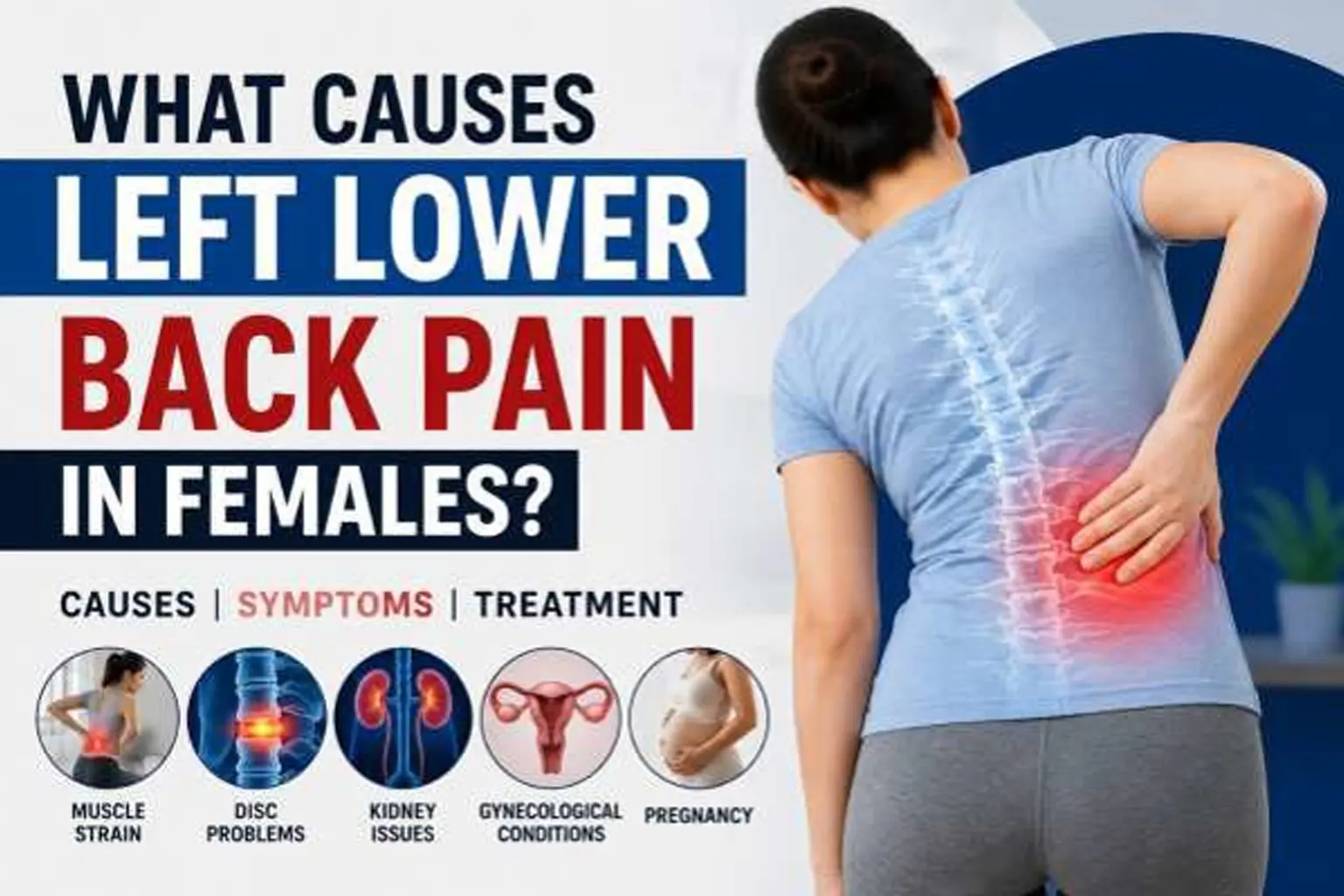
Left lower back pain is a common health concern among women of all ages. While the discomfort may result from simple muscle strain, it can also be linked to reproductive health conditions, kidney problems, spinal disorders, or nerve compression. Identifying the underlying cause is essential because treatment depends on the source of the pain.
Whether the pain is dull and persistent or sharp and sudden, understanding the symptoms and seeking timely medical evaluation can help prevent complications and improve recovery.
At Center for Sports Injury, specialists evaluate back pain using a comprehensive approach that focuses on identifying the root cause rather than simply managing symptoms.
Why Does Left Lower Back Pain Occur in Females?
The lower back supports the spine, muscles, ligaments, nerves, and internal organs. Pain on the left side may originate from:
- Muscles and ligaments
- Lumbar spine
- Sacroiliac joint
- Kidneys
- Female reproductive organs
- Nerves
- Digestive system
The exact location, severity, and associated symptoms help healthcare professionals determine the underlying condition.
Common Causes of Left Lower Back Pain in Females
1. Muscle Strain (Most Common Cause)
Muscle strain is one of the leading causes of lower back pain. It often occurs due to:
- Heavy lifting
- Poor posture
- Prolonged sitting
- Exercise-related injuries
- Sudden twisting movements
Symptoms
- Localized pain
- Muscle stiffness
- Pain while bending or lifting
- Tenderness
Most mild strains improve within a few weeks with conservative treatment.
2. Poor Posture
Sitting for extended periods, especially while working on computers or using mobile devices, places excessive stress on the lumbar spine.
Common signs include:
- Aching lower back
- Pain after sitting
- Muscle tightness
- Reduced flexibility
Improving posture and strengthening core muscles can significantly reduce discomfort.
3. Herniated Disc
A slipped or herniated disc may compress nearby nerves, causing pain that radiates from the lower back.
Symptoms
- Sharp pain on the left side
- Pain radiating into the buttock or leg
- Tingling sensation
- Numbness
- Muscle weakness
In some patients, a L5-S1 disc prolapse is the underlying cause of nerve compression. A herniated disc at the L5-S1 level can compress the S1 nerve root, leading to lumbar radiculopathy, causing pain that radiates from the lower back into the buttock, calf, or foot, along with numbness, tingling, or muscle weakness.
4. Sciatica
Compression of the sciatic nerve commonly causes pain on one side of the body.
Symptoms
- Shooting pain
- Burning sensation
- Leg numbness
- Difficulty standing
- Pain while walking
5. Sacroiliac Joint Dysfunction
The sacroiliac joint connects the spine to the pelvis. Inflammation or instability may lead to one-sided lower back pain.
Symptoms
- Pain near the pelvis
- Hip discomfort
- Pain during standing
- Pain while climbing stairs
6. Kidney Infection or Kidney Stones
Pain originating from the kidneys is often mistaken for back pain.
Symptoms
- Severe pain in the side or back
- Fever
- Painful urination
- Blood in urine
- Nausea
Kidney-related pain requires immediate medical evaluation.
7. Endometriosis
Endometriosis occurs when tissue similar to the uterine lining grows outside the uterus.
Symptoms
- Chronic pelvic pain
- Lower back pain
- Pain during menstruation
- Pain during intercourse
- Fertility issues
Pain often worsens during menstrual cycles.
8. Ovarian Cysts
Small ovarian cysts are common and usually harmless. However, larger cysts may cause discomfort.
Symptoms
- One-sided pelvic pain
- Lower back pain
- Bloating
- Irregular periods
Sudden severe pain may indicate a ruptured cyst and requires urgent medical care.
9. Pregnancy
Pregnancy places additional stress on the lower back due to:
- Hormonal changes
- Weight gain
- Altered posture
- Ligament relaxation
Many women experience left-sided or right-sided lower back pain, especially during the second and third trimesters.
10. Degenerative Disc Disease
Age-related spinal changes may contribute to chronic lower back pain. Symptoms include:
- Persistent back pain
- Morning stiffness
- Pain after activity
- Limited mobility
11. Lumbar Canal Stenosis (Lumbar Spinal Stenosis)
Narrowing of the spinal canal in the lower back can compress the spinal nerves, especially in older adults.
Symptoms
- Left lower back pain
- Pain radiating into the buttocks or legs (radiculopathy)
- Numbness or tingling
- Leg weakness
- Pain while walking that improves with sitting or bending forward
12. Ankylosing Spondylitis
Ankylosing spondylitis is a chronic inflammatory condition that primarily affects the spine and sacroiliac joints. It commonly causes persistent lower back pain and stiffness, especially in younger adults.
Symptoms
- Morning stiffness lasting more than 30 minutes
- Chronic lower back pain
- Pain improving with exercise
- Reduced spinal flexibility
- Fatigue
13. Post-Traumatic Back Pain
Previous falls, road traffic accidents, sports injuries, or direct trauma to the spine can result in persistent left lower back pain.
Symptoms
- Localized pain
- Muscle spasm
- Reduced mobility
- Pain during movement
- In severe cases, nerve compression causing radiculopathy
Symptoms That May Accompany Left Lower Back Pain
Depending on the cause, symptoms may include:
- Sharp or dull pain
- Muscle spasms
- Hip pain
- Leg pain
- Numbness
- Tingling
- Weakness
- Pelvic pain
- Fever
- Painful urination
- Menstrual irregularities
Associated symptoms often help identify whether the pain is musculoskeletal, neurological, urinary, or gynecological.
Risk Factors
Several factors increase the likelihood of developing lower back pain:
- Sedentary lifestyle
- Obesity
- Pregnancy
- Aging
- Poor posture
- Weak core muscles
- Repetitive lifting
- Sports injuries
- Osteoporosis
- Smoking
How Is Left Lower Back Pain Diagnosed?
A healthcare professional may recommend:
Medical History
Questions about:
- Pain duration
- Menstrual history
- Injury history
- Physical activity
- Associated symptoms Physical Examination The examination evaluates:
- Range of motion
- Muscle strength
- Reflexes
- Posture
- Nerve function Imaging Tests Depending on symptoms:
- X-rays
- MRI
- CT Scan
- Ultrasound
Laboratory Tests
If infection or kidney disease is suspected, blood tests and urine analysis may be recommended.
Treatment for Left Lower Back Pain in Females
Treatment depends on the underlying diagnosis.
Conservative Treatment
Many patients improve with:
- Physical therapy
- Activity modification
- Heat therapy
- Cold therapy
- Posture correction
- Stretching exercises
Medications
Doctors may recommend:
- Pain relievers
- Anti-inflammatory medications
- Muscle relaxants (when appropriate)
Medication should always be taken under medical supervision.
Sports Injury Rehabilitation
Women experiencing pain from muscle injuries, ligament sprains, spinal conditions, or sports-related problems often benefit from structured rehabilitation programs that focus on restoring strength, flexibility, balance, and movement patterns.
Interventional Pain Management
Some chronic spinal conditions may require minimally invasive procedures if conservative treatments do not provide adequate relief.
Surgical Treatment
Surgery is usually considered only when:
- Severe nerve compression exists
- Progressive weakness develops
- Structural spinal abnormalities require correction
- Conservative treatment fails after adequate duration
Prevention Tips
Although not all causes are preventable, these strategies may reduce the risk:
- Maintain good posture
- Exercise regularly
- Strengthen core muscles
- Stretch daily
- Lift objects correctly
- Maintain a healthy weight
- Stay hydrated
- Avoid prolonged sitting
- Wear supportive footwear
When Should You See a Doctor?
Seek medical evaluation if you experience:
- Pain lasting longer than two weeks
- Severe pain after injury
- Pain with fever
- Pain with urinary symptoms
- Leg weakness
- Loss of bladder or bowel control
- Persistent numbness
- Unexplained weight loss
- Night pain
Early diagnosis can help identify serious conditions and improve treatment outcomes.
Expert Care at Center for Sports Injury
Persistent lower back pain should not be ignored, especially if it interferes with daily activities, work, or physical fitness. At Center for Sports Injury, patients receive individualized evaluations to identify the underlying cause of back pain and develop evidence-based treatment plans tailored to their condition.
Orthopedic specialists, including experienced clinicians such as Dr. Pushpinder Singh Bajaj, emphasize a comprehensive approach that may include clinical assessment, rehabilitation, physical therapy, and advanced treatment options when appropriate. The goal is to improve mobility, reduce pain, and help patients return safely to their normal activities.
Frequently Asked Questions (FAQs)
1. What is the most common cause of left lower back pain in females?
The most common causes include muscle strain, poor posture, spinal conditions, kidney problems, and gynecological conditions such as endometriosis or ovarian cysts.
2. Can hormonal changes cause lower back pain?
Yes. Hormonal changes during menstruation, pregnancy, and menopause can contribute to lower back discomfort in some women.
3. When is left lower back pain considered serious?
Seek immediate medical attention if pain is accompanied by fever, loss of bladder or bowel control, severe weakness, numbness, blood in urine, or sudden intense pain.
4. Can exercise help reduce lower back pain?
Yes. Appropriate stretching, core strengthening, and supervised physical therapy can improve flexibility, support the spine, and reduce recurrent back pain. Exercise programs should be tailored to the underlying cause of the pain.
5. Can kidney problems cause pain in the left lower back?
Yes. Kidney stones and kidney infections may cause pain on one side of the lower back, often accompanied by urinary symptoms, fever, or nausea.
6. How long does muscle-related lower back pain take to heal?
Mild muscle strains often improve within two to six weeks with rest, activity modification, and rehabilitation. Recovery time varies depending on the severity of the injury.
7. Should I see an orthopedic specialist for left lower back pain?
If your pain persists, limits daily activities, recurs frequently, or is associated with numbness, weakness, or radiating leg pain, consulting an orthopedic specialist is recommended for an accurate diagnosis and appropriate treatment plan.
Conclusion
Left lower back pain in females can arise from a wide range of causes, including muscle strain, spinal disorders, kidney conditions, and gynecological issues. Because the symptoms of these conditions often overlap, a proper clinical evaluation is essential to determine the exact cause and guide effective treatment. Early intervention, lifestyle modifications, targeted rehabilitation, and evidence-based care can help relieve pain and prevent long-term complications. If your symptoms persist or worsen, seeking timely assessment from experienced orthopedic professionals can support a faster recovery and improved quality of life.