
Avascular Necrosis of the Hip: Early Signs, Diagnosis, and Why Timing Matters for Joint Preservation
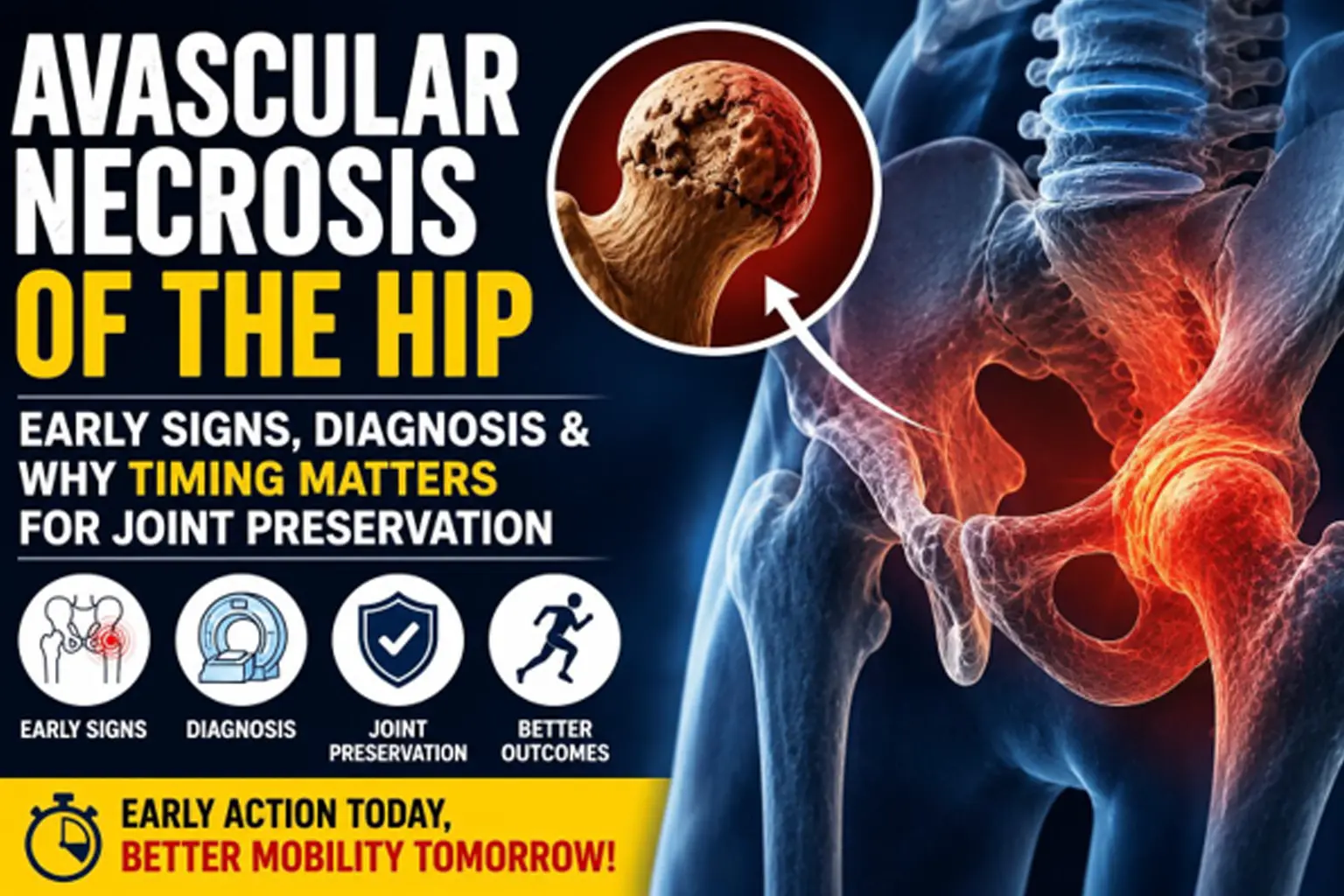
Avascular Necrosis (AVN) of the hip is a serious orthopedic condition that can silently damage the hip joint before noticeable symptoms appear. If left untreated, it may lead to collapse of the femoral head and permanent joint damage, often requiring hip-replacement surgery. However, early diagnosis and timely treatment can help preserve the natural joint and improve long-term mobility.
At the Center for Sports Injury, specialists focus on advanced joint preservation techniques and minimally invasive orthopedic care to help patients manage hip pain effectively before the condition progresses.
What is Avascular Necrosis of the Hip?
Avascular necrosis of the hip, also known as osteonecrosis, occurs when the blood supply to the femoral head (the ball-shaped top of the thigh bone) becomes reduced or blocked.
Without adequate blood flow, bone tissue starts to die, weakening the hip joint over time.
The condition commonly affects adults between the ages of 30 and 50 and may occur in one or both hips.
Why Early Diagnosis of Hip AVN Matters
One of the biggest challenges with AVN is that symptoms often appear late. In the early stages, patients may experience mild discomfort or stiffness that is easy to ignore.
Unfortunately, once the bone collapses, treatment options become more limited. Early diagnosis offers several benefits:
- Higher chances of preserving the natural hip joint
- Reduced need for total hip replacement surgery
- Better long-term mobility and function
- Faster recovery with minimally invasive procedures
- Lower risk of permanent disability
Patients searching for early avascular necrosis treatment in Delhi NCR are often advised to seek orthopedic evaluation as soon as persistent hip pain develops.
Early Signs and Symptoms of Avascular Necrosis of the Hip
Recognizing symptoms early can make a significant difference in treatment success.
Common Early Symptoms Include the Following:
1. Persistent Groin Pain
Pain in the groin area is often one of the earliest signs of AVN. The pain may worsen while walking, climbing stairs, or standing for long periods.
2. Hip Stiffness
Many patients notice reduced flexibility or difficulty rotating the hip joint.
3. Limping While Walking
As the condition progresses, patients may unconsciously shift weight away from the affected hip.
4. Pain Radiating to the Thigh or Buttock
The discomfort may spread to nearby regions and increase during physical activity.
5. Reduced Range of Motion
Simple activities like sitting cross-legged or bending may become uncomfortable.
If you experience these symptoms for more than a few weeks, consulting a specialist for hip pain treatment in Delhi NCR becomes important.
Common Causes and Risk Factors of Hip AVN
Several medical and lifestyle factors can increase the risk of avascular necrosis.
Major Causes Include:
- Long-term steroid medication use
- Excessive alcohol consumption
- Hip fractures or trauma
- Blood clotting disorders
- Autoimmune diseases
- Smoking
- Sickle cell disease
- Previous hip injury
In some cases, the exact cause remains unknown, which is known as idiopathic AVN.
How Avascular Necrosis of the Hip is Diagnosed
Accurate diagnosis is essential because early-stage AVN may not appear on standard X-rays.
Diagnostic Methods Used by Orthopedic Specialists Clinical Examination
The orthopedic doctor evaluates pain location, hip movement, and walking pattern.
X-rays
Useful in identifying advanced bone changes and collapse.
MRI Scan
MRI is considered the gold standard for detecting early AVN before bone collapse occurs.
CT scan
Helps assess the extent of bone damage in certain cases.
At the Center for Sports Injury, advanced imaging and orthopedic evaluation help identify the stage of AVN and guide personalized treatment planning.
Stages of Avascular Necrosis of the Hip
AVN progresses gradually over time.
| Stage | Condition | Symptoms |
| Stage 1 | Early bone damage | Mild pain or no symptoms |
| Stage 2 | Bone changes visible | Increasing hip discomfort |
| Stage 3 | Femoral head collapse begins | Limping and severe pain |
| Stage 4 | Advanced arthritis | Significant mobility restriction |
Timing is critical because joint preservation procedures work best in the earlier stages.
Treatment Options for Avascular Necrosis of the Hip
Treatment depends on the stage of the disease, age of the patient, and severity of bone damage.
Non-Surgical Treatments
In very early stages, doctors may recommend the following:
- Activity modification
- Pain management medications
- Physiotherapy
- Reduced weight-bearing
- Lifestyle modifications
While non-surgical care may reduce symptoms temporarily, progressive AVN often requires advanced orthopedic intervention.
Joint Preservation Treatments for Early AVN
Core Decompression
This minimally invasive procedure reduces pressure inside the bone and improves blood flow to the femoral head.
Bone Grafting
Healthy bone tissue may be used to support damaged areas.
Regenerative Orthopedic Techniques
Selected patients may benefit from biologic therapies designed to support healing and bone regeneration.
Patients looking for joint preservation surgery for AVN in Delhi often seek treatment before the femoral head collapses completely.
Hip Replacement Surgery for Advanced AVN
When severe joint collapse and arthritis develop, total hip replacement may become necessary. Modern hip replacement techniques can significantly improve mobility and quality of life.
However, orthopedic specialists always aim to preserve the natural joint whenever possible, especially in younger patients.
Why Timing Matters in AVN Treatment
Delaying treatment can lead to irreversible joint destruction. Once the femoral head collapses, joint-preserving procedures become far less effective.
Seeking early orthopedic consultation can help:
- Prevent progression of bone collapse
- Maintain active lifestyle and mobility
- Reduce long-term treatment costs
- Avoid complex surgeries in the future
If you are experiencing persistent hip pain, stiffness, or difficulty walking, consulting a specialist for Avascular Necrosis of the Hip Treatment in Delhi NCR may help prevent permanent damage.
Why Choose the Center for Sports Injury for AVN Treatment?
The center is known for advanced orthopedic and sports injury care with a focus on evidence- based treatment and patient-centered outcomes.
Key Advantages:
- Experienced orthopedic specialists
- Advanced MRI-based diagnosis
- Joint preservation-focused approach
- Minimally invasive surgical expertise
- Personalized rehabilitation programs
- Comprehensive hip care under one roof
Patients receive individualized treatment plans designed to maximize mobility and long-term joint health.
Tips to Protect Your Hip Joint Health
Early prevention and lifestyle management can support better joint function.
Helpful Tips:
- Avoid smoking and excessive alcohol intake
- Maintain healthy body weight
- Seek early treatment for hip injuries
- Use steroid medications only under medical supervision
- Consult an orthopedic specialist for ongoing hip pain
Frequently Asked Questions (FAQs)
Can avascular necrosis of the hip heal naturally?
AVN usually does not heal on its own. Early treatment is important to prevent progression and preserve the hip joint.
Is hip replacement always necessary in AVN?
No. Early-stage AVN can often be managed with joint preservation procedures if diagnosed on time.
What is the best test for diagnosing AVN?
MRI is considered the most accurate imaging test for early detection of avascular necrosis.
Who is at higher risk for AVN?
People with steroid use, alcohol abuse, hip trauma, autoimmune diseases, or blood disorders have an increased risk.
When should I see a doctor for hip pain?
Persistent groin pain, limping, stiffness, or reduced hip movement should be evaluated by an orthopedic specialist promptly.
Conclusion
Avascular necrosis of the hip is a progressive condition that requires timely attention. Early signs are often subtle, but prompt diagnosis can make the difference between preserving the natural hip joint and requiring major surgery later.
At the Center for Sports Injury, patients receive advanced orthopedic care focused on early diagnosis, joint preservation, and long-term mobility restoration. If you are experiencing persistent hip pain or stiffness, early orthopedic evaluation can help protect your joint health and improve treatment outcomes.