
Best Treatment Options for Low Back and Sciatica Pain in 2026

Low back pain and sciatica are among the most common reasons people visit a doctor today. Whether caused by long sitting hours, sports injuries, disc problems, or poor posture, the discomfort can seriously affect daily life.
If you’re searching for the best treatment options for low back and sciatica pain, this 2026 guide will help you understand the latest, safest, and most effective solutions available at the Centre for Sports Injury (CSI).
At CSI, treatment is led by Dr. Pushpinder Singh Bajaj, founder of the Centre for Sports Injury, and Dr. Rahul Upadhyay, an experienced spine and sports injury specialist. Their evidence-based, patient-first approach ensures long-term relief—not just temporary pain control.
Understanding Low Back Pain and Sciatica
Low back pain affects the lumbar spine, while sciatica occurs when the sciatic nerve is compressed—often due to a disc bulge or herniation.
Common symptoms include:
- Lower back stiffness
- Pain radiating down one leg
- Numbness or tingling
- Muscle weakness
- Difficulty standing or walking
Choosing the best treatment options for low back and sciatica pain depends on accurate diagnosis, which is why expert evaluation at the Centre for Sports Injury is crucial.
Best Treatment Options for Low Back and Sciatica Pain in 2026
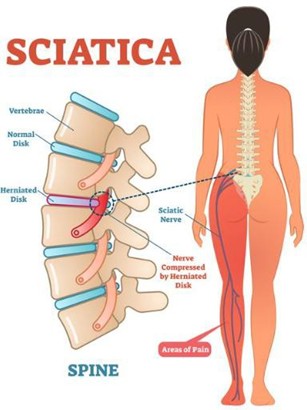
In 2026, spine care focuses on non- surgical, minimally invasive, and rehabilitation-based solutions.
1. Advanced Physiotherapy & Rehabilitation
Physiotherapy remains one of the best treatment options for low back and sciatica pain.
At the CSI spine clinic:
- Core strengthening programs
- Sciatic nerve mobilization techniques
- Posture correction training
- Sports-specific rehabilitation
- Digital posture analysis
2. Non-Surgical Sciatica Treatment
This is ideal for early-stage disc problems and muscle-related back pain.
Many patients fear surgery—but most cases don’t need it.
Non-surgical sciatica treatment includes:
- Targeted medications
- Epidural steroid injections
- Ultrasound-guided nerve blocks
- Spinal decompression therapy
These modern methods reduce inflammation and nerve pressure effectively.
3. Minimally Invasive Spine Procedures
When conservative treatment fails, minimally invasive options are considered. At the Centre for Sports Injury:
- Microdiscectomy
- Endoscopic spine procedures
- Image-guided interventions
These are safer, faster-recovery options compared to traditional open surgery.
This approach is considered among the best treatment options for low back and sciatica pain for severe disc prolapse cases.
4. Sports Injury-Focused Spine Care
Unlike general clinics, CSI specializes in sports injury-related spine conditions. Athletes and active individuals benefit from
- Biomechanical correction
- Movement retraining
- Injury prevention strategies
- Return-to-sport protocols
This makes CSI a trusted sports injury specialist centre in India.
5. Personalized Treatment Plans
No two patients are the same.
Dr. Pushpinder Singh Bajaj and Dr. Rahul Upadhyay follow:
- Detailed clinical examination
- MRI-based assessment
- Functional movement analysis
- Customized recovery planning
This personalized approach ensures patients receive the best treatment options for low back and sciatica pain, tailored to their condition and lifestyle.
Why Choose Centre for Sports Injury (CSI)?
- Founded by Dr. Pushpinder Singh Bajaj
- Expert spine and sports injury care
- Evidence-based treatment protocols
- Advanced rehabilitation facilities
- Minimally invasive spine procedures
- Trusted by athletes and working professionals
The Centre for Sports Injury has become a leading destination for patients seeking long-term sciatica pain relief and low back pain treatment.
When Should You See a Spine Specialist?
Consult a spine specialist if:
- Pain lasts more than 2 weeks
- Leg pain is worsening
- There is numbness or weakness
- Pain affects sleep or daily activity
- Home remedies are not helping
Early diagnosis improves recovery outcomes significantly.
Frequently Asked Questions (FAQ Section for SEO)
Q1. What is the fastest way to relieve sciatica pain?
Physiotherapy, nerve mobilization, and anti-inflammatory treatment provide fast relief in most cases.
Q2. Is surgery necessary for sciatica?
No. Most patients improve with nonsurgical sciatica treatment.
Q3. How long does low back pain recovery take?
It depends on the cause. Mild cases recover in weeks, while disc-related pain may take 6–12 weeks.
Q4. Who provides the best treatment options for low back and sciatica pain?
Experienced spine specialists like Dr. Pushpinder Singh Bajaj and Dr. Rahul Upadhyay at the Centre for Sports Injury offer comprehensive care.
Conclusion
In 2026, spine care is more advanced and patient-centered than ever. The best treatment options for low back and sciatica pain now focus on non-surgical, minimally invasive, and rehabilitation-driven solutions.
If you are struggling with persistent back or leg pain, consult the specialists at the Centre for Sports Injury (CSI). Under the leadership of Dr. Pushpinder Singh Bajaj and Dr. Rahul Upadhyay, patients receive world-class care designed for lasting relief and safe recovery.
Check out more patients’ testimonials here.
If you have more questions and queries related to flatfoot in Delhi NCR, India, you may fill out the inquiry form below. For an Appointment with the best orthopedic surgeon with CSI, call +91 011 41223333, or you can also
email centerforsportsinjury@gmail.com or info@centerforsportsinjury.com