

World Physiotherapy Day 2026: Why Physiotherapy in Delhi Matters for Better Health
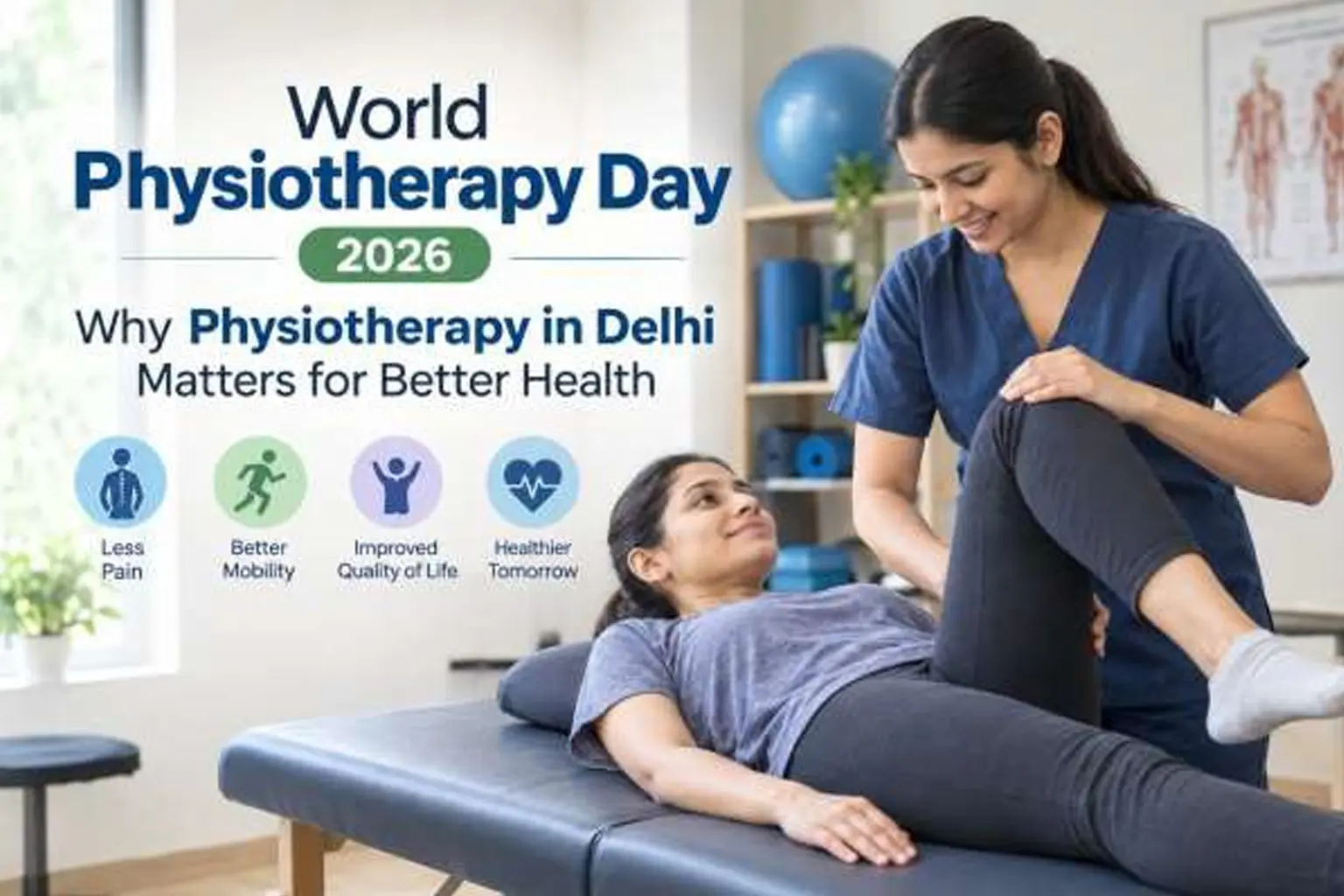
World Physiotherapy Day 2026: Why Physiotherapy in Delhi Matters for Better Health
World Physiotherapy Day is observed every year on 8 September to recognise the important contribution of physiotherapists to health, mobility, independence and rehabilitation. It is an opportunity to understand how physiotherapy can help people recover from injuries and illness, improve physical function and return to their daily activities with greater confidence.
The 2026 World Physiotherapy Day theme highlights the role of physiotherapy and physical activity in the prevention, management and rehabilitation.
For people seeking Physiotherapy in Delhi, this day is an important reminder that rehabilitation is not limited to pain relief. A structured physiotherapy programme can play an important role in restoring movement, improving strength and function, and supporting long- term physical well-being.
What Is World Physiotherapy Day?
World Physiotherapy Day is dedicated to recognising the contribution of physiotherapists and their role in helping individuals maintain movement, physical function and independence.
Physiotherapy can be an important part of care for a wide range of conditions, including orthopaedic problems, sports injuries, post-surgical recovery, neurological conditions and mobility difficulties.
The focus is on helping patients achieve practical and meaningful functional goals through an individualised rehabilitation programme.
Why Is Physiotherapy Important for Overall Health?
Physiotherapy focuses on improving movement, physical function and the ability to perform everyday activities safely.
Depending on the individual's condition and rehabilitation goals, physiotherapy may include:
- Therapeutic exercises
- Strengthening programmes
- Mobility and flexibility training
- Manual therapy
- Balance and coordination exercises
- Post-surgical rehabilitation
- Functional movement training
- Patient education and lifestyle guidance
A personalised treatment programme allows rehabilitation to be adapted to the patient's condition, abilities and stage of recovery rather than following the same approach for everyone.
The Importance of Coordination Between Orthopaedic Surgery and Physiotherapy
Successful recovery after an orthopaedic injury or surgery often requires close coordination between the treating Orthopaedic Surgeons and the physiotherapy team.
Dr. Pushpinder Singh Bajaj and Dr. Shrey, Orthopaedic Surgeons, work in close coordination with Dr. Prakash Jha (PT), HOD – Sports Physiotherapy, and his team to support a structured rehabilitation journey for patients.
This collaborative approach helps connect the patient's orthopaedic treatment with their rehabilitation programme. The physiotherapy plan can be guided according to the patient's clinical condition, stage of recovery and functional requirements.
Regular communication between the Orthopaedic Surgeons and the Sports Physiotherapy team can help ensure that rehabilitation goals remain aligned with the patient's treatment plan.
Dr. Prakash Jha (PT) and the Sports Physiotherapy Team
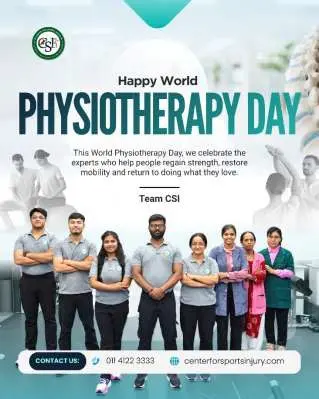
Under the guidance of Dr. Prakash Jha (PT), HOD – Sports Physiotherapy, the physiotherapy team focuses on helping patients progressively regain movement, strength, flexibility, balance, coordination and functional ability.
Depending on the condition, rehabilitation may involve carefully planned exercises and functional training designed around the patient's individual recovery goals.
The close association between the orthopaedic and physiotherapy teams provides a more integrated approach to patient care, particularly for individuals
recovering from orthopaedic procedures, sports injuries and other movement-related conditions.
The objective is to help patients progress through rehabilitation appropriately and work towards a safe and effective return to their daily activities, work or sport.
ACL Rehabilitation
Cover:
- ACL injury rehabilitation
- Pre-operative and post-operative rehabilitation
- Gradual restoration of knee movement
- Strengthening of quadriceps and hamstrings
- Balance and stability training
- Return-to-sport progression Rotator Cuff Rehabilitation
Cover:
- Rotator cuff injury/tear rehabilitation
- Pain and movement assessment
- Shoulder mobility exercises
- Progressive strengthening
- Functional recovery
- Post-surgical rehabilitation where required
When Can You Consider Physiotherapy?
Physiotherapy is not only for severe pain or major injuries. A professional assessment may be useful for concerns such as:
- Back and neck pain
- Joint stiffness
- Sports injuries
- Muscle weakness
- Balance problems
- Post-surgical recovery
- Neurological rehabilitation
- Movement difficulties
- Age-related mobility concerns
- Stroke rehabilitation
Early professional assessment can help identify movement-related problems and establish an appropriate rehabilitation plan.
Physiotherapy After Orthopaedic Surgery
Post-surgical rehabilitation is an important part of recovery for many orthopaedic patients.
After surgery, physiotherapy may focus on gradually restoring mobility, strength, flexibility and functional movement according to the patient's clinical condition and rehabilitation goals.
This is where close communication between the Orthopaedic Surgeon and physiotherapist becomes particularly valuable. The rehabilitation programme can be progressed according to the patient's recovery and the treating team's recommendations.
The coordinated efforts of Dr. Pushpinder Singh Bajaj, Dr. Shrey, Dr. Prakash Jha (PT), HOD – Sports Physiotherapy, and his team reflect a team-based approach in which orthopaedic treatment and rehabilitation work together towards optimum functional recovery.
How Can Physiotherapy Support Older Adults?
Maintaining mobility becomes increasingly important with age. Older adults may experience reduced strength, balance difficulties, joint stiffness or challenges with everyday movement.
An individualised physiotherapy programme may include:
- Strength exercises
- Balance training
- Flexibility exercises
- Functional movement training
- Mobility exercises
The programme should be adapted to the individual's abilities, health needs and functional goals.
Choosing the Right Physiotherapy Clinic in Delhi
When considering Physiotherapy in Delhi, it is important to look beyond the treatment itself. Patients may consider:
- The physiotherapist's experience and professional qualifications
- Whether the team has experience with the specific condition
- Whether treatment is personalised
- Whether a proper assessment is performed before treatment
- Whether rehabilitation goals are clearly explained
- Whether progress is monitored throughout recovery
- Whether there is appropriate coordination with the treating medical team
A good rehabilitation programme should be based on the patient's condition and individual requirements rather than a generic treatment approach.
A Team-Based Approach for Better Recovery
Recovery is often a gradual process that requires consistency, monitoring and coordination.
The close coordination between Dr. Pushpinder Singh Bajaj and Dr. Shrey, Orthopaedic Surgeons, and Dr. Prakash Jha (PT), HOD – Sports Physiotherapy, along with his team, supports an integrated approach to patient care.
By bringing together orthopaedic expertise and specialised physiotherapy, the focus remains on the patient's overall recovery — from managing the initial condition to restoring movement, strength, function and confidence.
The goal of rehabilitation is not simply to reduce pain. It is to help patients regain functional ability and, wherever clinically appropriate, return to their normal activities, work or sport safely and progressively.
Make Movement and Recovery a Priority
World Physiotherapy Day is more than a date on the healthcare calendar. It is an opportunity to recognise the important role physiotherapists play in helping people recover after injury or illness, maintain mobility and improve independence.
Whether you are recovering from an orthopaedic procedure, dealing with a sports injury, experiencing mobility difficulties or require rehabilitation after a medical condition, professional physiotherapy can be an important part of your recovery journey.
With close coordination between Orthopaedic Surgeons and the Sports Physiotherapy team, patients can benefit from a more structured and personalised approach to rehabilitation.
Consult Dr. Pushpinder Singh Bajaj – CSI for a personalised assessment and guidance based on your individual rehabilitation needs.
Frequently Asked Questions
When is World Physiotherapy Day celebrated?
World Physiotherapy Day is observed every year on 8 September. The date marks the founding of World Physiotherapy in 1951.
What is the World Physiotherapy Day 2026 theme?
The 2026 theme focuses on the role of physiotherapy and physical activity in preventing, managing and rehabilitating cardiovascular disease and stroke.
What conditions can physiotherapy help with?
Physiotherapy may form part of care for back pain, joint problems, sports injuries, neurological conditions, post-surgical rehabilitation, mobility problems and stroke recovery.
Is physiotherapy useful after orthopaedic surgery?
Yes. Physiotherapy can be an important component of post-surgical rehabilitation. The programme should be planned and progressed according to the patient's condition, recovery stage and treating medical team's recommendations.
Why is coordination between an Orthopaedic Surgeon and physiotherapist important?
Close coordination can help ensure that the rehabilitation programme remains aligned with the patient's clinical treatment, recovery stage and functional goals.
Is physiotherapy useful after a stroke?
Yes. Physiotherapy can form an important part of stroke rehabilitation, with treatment tailored to problems such as weakness, balance difficulties, walking limitations and reduced coordination.
How do I choose a physiotherapist in Delhi?
Look for an experienced professional who evaluates your condition, understands your rehabilitation goals and develops a personalised treatment plan rather than using the same approach for every patient.
How often should I attend physiotherapy?
The frequency depends on your condition, treatment goals, recovery stage and clinical assessment. Your physiotherapist can recommend an appropriate schedule.
Can physiotherapy help older adults stay mobile?
Yes. Individualised physiotherapy may help older adults work on strength, balance, flexibility and functional mobility according to their abilities and health needs.
Where can I get physiotherapy in Delhi?
For personalised rehabilitation guidance, patients can consult Dr. Pushpinder Singh Bajaj – CSI for an assessment and treatment plan suited to their individual condition and recovery requirements.